It usually starts as a groan at full lock in a parking lot. A few weeks later the wheel goes heavy on cold mornings, the fluid keeps dropping, and there’s a slick patch on the driveway. By the time that noise becomes a whine you can hear at highway speed, the pump is on borrowed time. A used power steering pump from Quality Auto Parts is often the sensible fix, especially on an older vehicle where the dealer part costs real money.
But steering hardware is fussier than it looks. Same model, same year, three different pumps is entirely normal. Quality Auto Parts makes it easier to find the right replacement, but here’s what to verify before you place the order.
Make Sure You Actually Need a Used Power Steering Pump
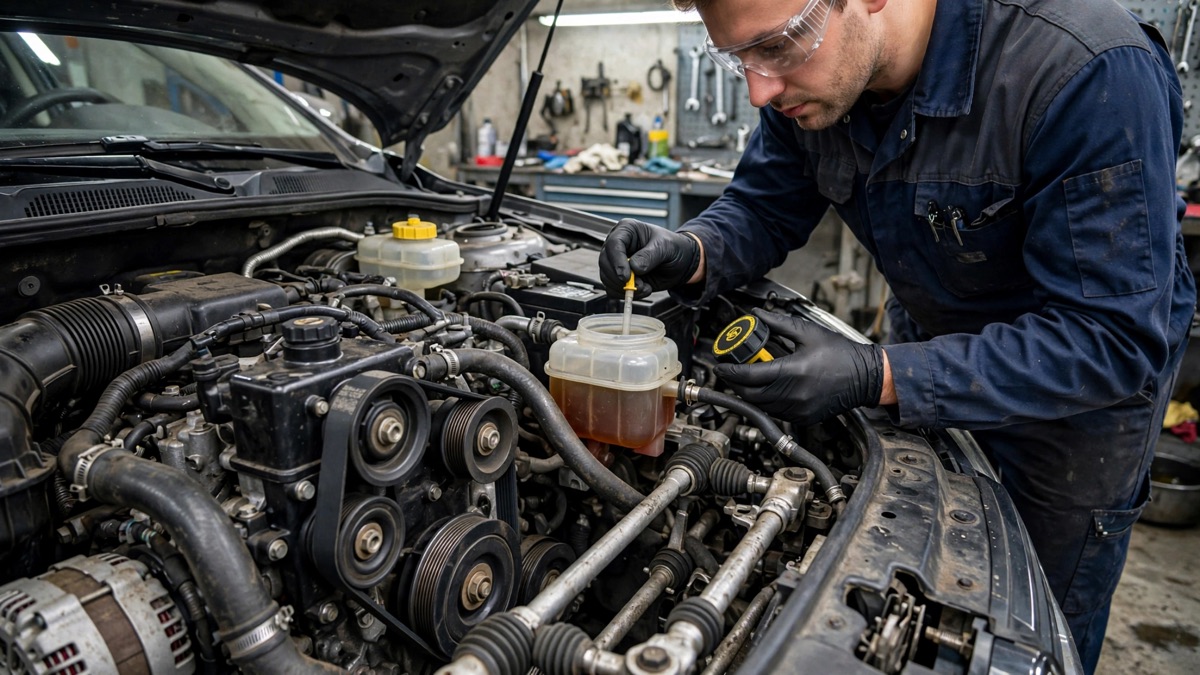
Alt text : Mechanic checking power steering fluid
Plenty of pumps get replaced for symptoms they didn’t cause. Before spending money, check the fluid level and condition, inspect the pressure and return hoses for weeping at the crimps, and look at the drive belt and tensioner. Aerated fluid, which looks milky or foamy, usually means air is being drawn in somewhere on the suction side rather than the pump being worn out.
Symptoms that point to the pump
• A whine or groan that rises and falls with engine speed
• Heavy steering that improves as the engine warms up
• Fluid weeping from the pump shaft seal or reservoir seam
• A visible shudder in the wheel when holding full lock
Things that mimic a failing pump
A restricted hose, a clogged reservoir filter screen, a worn steering rack with internal bypass, and a glazed belt all produce similar noise and heaviness. A rack that’s leaking internally will make a healthy pump sound sick. An hour of diagnosis is far cheaper than replacing the wrong component and finding nothing changed.
Know Which Type of Pump Your Car Uses
Not every vehicle uses the same architecture, and the differences matter before you shop for used steering parts.
• Belt-driven hydraulic pump with remote reservoir. The classic setup. Reservoir mounts separately and connects by a suction hose.
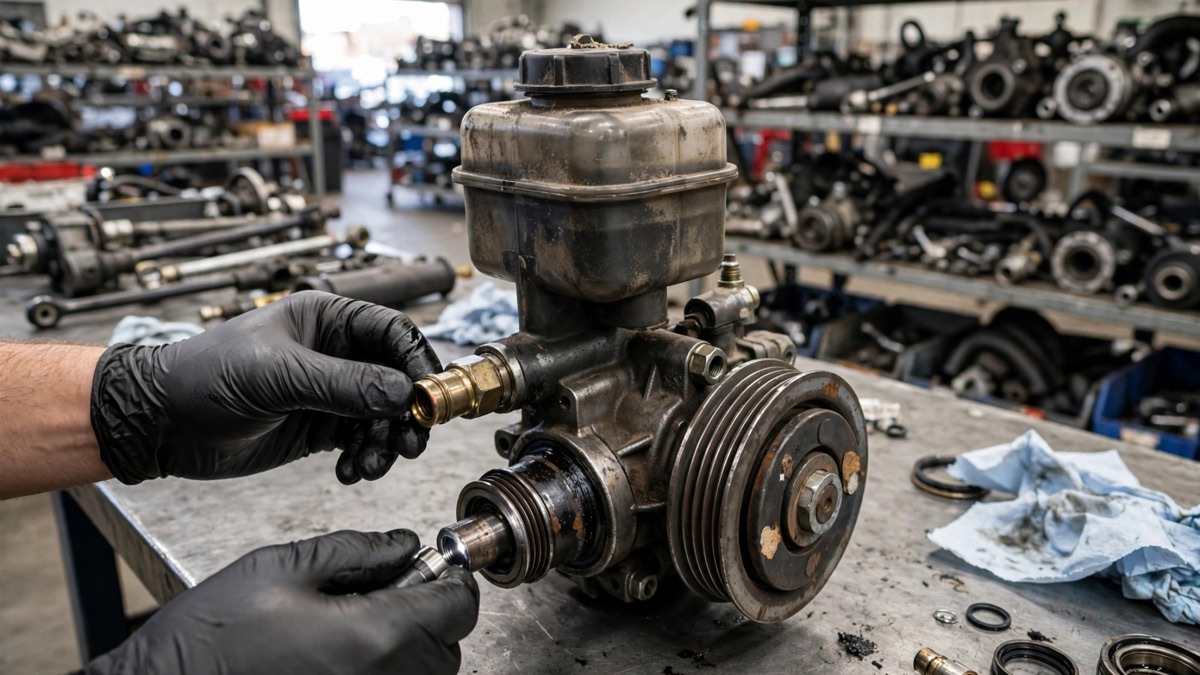
• Belt-driven pump with integral reservoir. Reservoir bolts to the pump body. These are sold as an assembly and the reservoir seal matters.
• Electro-hydraulic (EHPS) unit. An electric motor drives a hydraulic pump, common on many later four-cylinder cars. Priced considerably higher and needs the correct connector and control logic.
• Fully electric assist. Motor on the column or rack, no hydraulic pump at all. If this is your system, the fault is elsewhere entirely.
Sorting this out first prevents the most common ordering mistake: buying a hydraulic used power steering pump for a car that left the factory with an electro-hydraulic one.
What to Check Before Ordering a Used Power Steering Pump
VIN and interchange numbers
Send your full 17-digit VIN to the supplier. A competent counter person decodes the engine, drivetrain and options, then pulls the interchange number that lists every year and model sharing an identical pump. That step is what separates a proper replacement auto parts order from a coin flip, and it’s the reason a serious seller always asks for the VIN before quoting.
Pulley, reservoir and fittings
Four physical details cause most returns on used mechanical auto parts of this kind:
• Pulley. Press-fit pulleys are often not included. Confirm whether yours transfers over, and whether you have the puller or a shop that does.
• Reservoir style. Integral versus remote changes the whole part number.
• Port fittings. Pressure port thread size and the return barb diameter vary within a single model line.
• Pressure and flow rating. Towing packages and heavier trims sometimes used a higher-output pump with different internal valving.
Testing, Grading and Donor Mileage
Ask what the yard did before shelving the part. A serious operation spins the pump, checks for shaft play and seal weeping, and inspects the reservoir for varnish or debris. Not every recycler pressure-tests steering pumps, so ask directly rather than assuming. Fluid that came out dark or gritty is a warning sign about the whole system the pump lived in.
Grading is the other half. Most yards use an A/B/C scale tied to donor mileage and visible condition. For a used power steering pump, aim for Grade A or a solid Grade B with verified mileage. Suppliers of quality used auto parts will give you the donor vehicle’s odometer reading without being pressed, and will tell you whether the pulley and reservoir are attached.
What a Used Power Steering Pump Costs
| Pump type | Indicative used price | New or reman equivalent |
|---|---|---|
| Hydraulic, remote reservoir | $35 to $90 | $110 to $260 |
| Hydraulic, integral reservoir | $50 to $130 | $150 to $340 |
| Electro-hydraulic (EHPS) | $180 to $450 | $600 to $1,400 |
| Heavy-duty truck or diesel | $90 to $250 | $250 to $650 |
As with most replacement auto parts, those figures move with grade, donor mileage and freight. Labor generally runs one to three hours depending on access, with transverse four-cylinder engines usually the quickest and tightly packed V6 bays the slowest. Add the cost of fresh fluid and, in most cases, a new belt.
Warranty and Core Charges on Used Auto Parts
Get the commercial terms in writing before you pay:
1. Warranty length. Ninety days is the minimum worth accepting. Six months to a year is common from established suppliers of used auto parts.
2. What’s covered. Almost always the part only. Labor and fluid are your cost, which matters on a three-hour job.
3. Core charge. Typically $20 to $60, refunded when your old unit ships back in the same box.
4. Return window. Thirty days is standard. Confirm who pays return freight for a wrong-fit part versus a failed one.
5. Fitment guarantee. Ask whether it applies if you supplied the VIN, because most reputable sellers stand behind their own interchange lookup.
Fitting a Used Power Steering Pump Without Ruining It
Like most used mechanical auto parts, these die from installation shortcuts more often than from wear. Flush the system properly, including the cooler line if your vehicle has one, because debris from the old failure will chew a fresh unit. Use the exact fluid the manufacturer specifies, since some vehicles take automatic transmission fluid and others require a dedicated hydraulic fluid, and mixing them destroys seals.
Bleeding matters more than people expect. With the front wheels off the ground and the engine off, turn the wheel lock to lock several times to purge air, then top up and repeat. Starting the engine with air in the system is the fastest way to cavitate a pump you just fitted. Replace the belt while you’re in there, and check that the tensioner still holds correctly, since a slipping belt will make a good pump squeal and get blamed for it.
Frequently Asked Questions
How long does a used power steering pump last?
It depends on donor mileage and how clean your system is. A tested unit from a low-mileage donor, fitted after a proper flush with the correct fluid, commonly gives several years of use. Fit one into a system full of old debris and it can fail within months.
Does the pulley come with a used pump?
Sometimes, but never assume. Many recyclers pull the pump and leave the press-fit pulley on the donor engine. Ask before ordering, because pressing a pulley on and off needs a specific puller. If yours transfers over, confirm the hub depth matches so belt alignment stays correct.
Are used steering parts safe to buy?
Yes, when sourced from a yard that tests and grades stock and stands behind fitment. Steering is safety-related, so buy from suppliers who record donor mileage and offer a written warranty rather than from an untested pull. Have the work checked by a qualified mechanic after installation.
Should I buy remanufactured instead?
If your vehicle is newer or you plan to keep it a decade, a reman unit with new seals and a longer warranty is easier to justify. On an older car, quality used auto parts make better financial sense, especially with electro-hydraulic units where new pricing is steep.
Conclusion
Ordering a used power steering pump goes well when you do four things in order. Confirm the pump is genuinely at fault rather than a hose, rack or belt. Identify which architecture your car uses, since hydraulic and electro-hydraulic units aren’t interchangeable. Send your VIN so Quality Auto Parts can match the interchange number, and check the pulley, reservoir style and port fittings before agreeing a price. Then fit it with a clean system, the correct fluid and a careful bleed. If you’re weighing up your options, sending your VIN and a photo of your existing pump to an experienced parts specialist like Quality Auto Parts is the fastest way to get an answer matched to your vehicle. Need Quality Used Parts?