Your car cranks fine on a cold morning, then sputters and dies halfway up an on-ramp. It restarts after ten minutes, so you convince yourself it was bad gas. Three days later it strands you in a parking lot. That pattern, intermittent stalling with hard hot starts, is textbook fuel delivery, and a used fuel pump from Quality Auto Parts is often the most sensible way to fix it without a four-figure bill.
Sensible doesn’t mean simple. Pumps are one of the harder recycled parts to buy well, because a unit that spins on a bench can still be worn past its useful pressure. Quality Auto Parts helps make the process easier, but you still need to know how to sort the good ones from the gambles.
Confirm You Actually Need a Used Fuel Pump
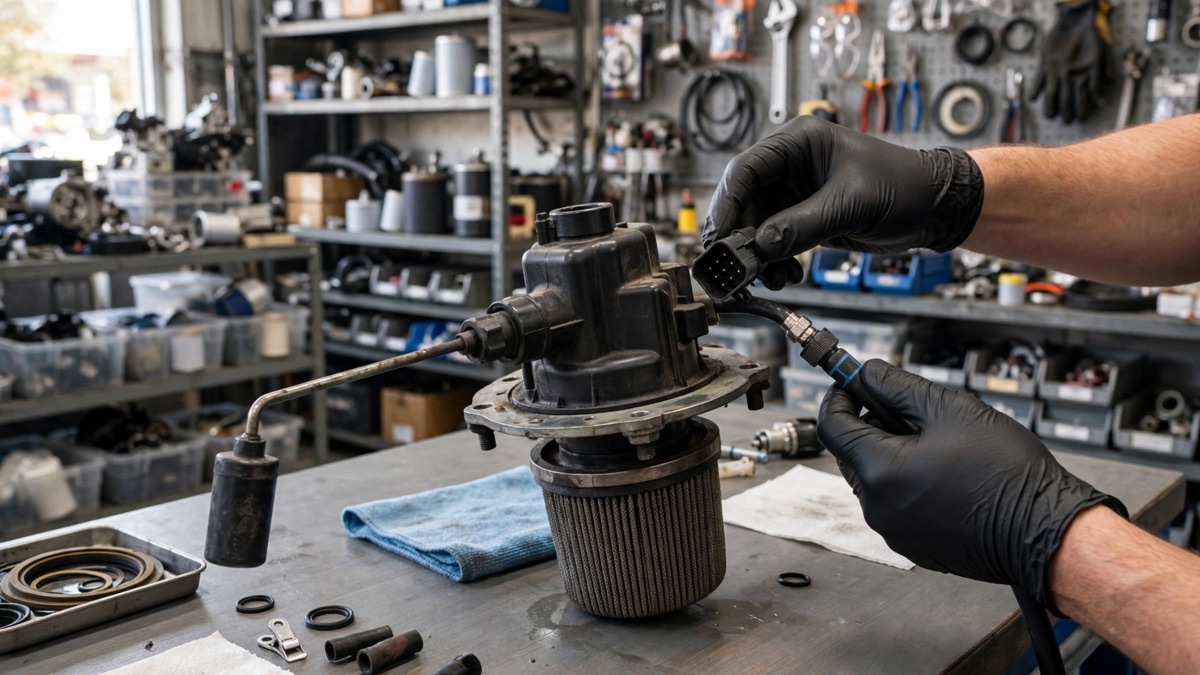
Alt text : Used fuel pump module inspected at auto recycler
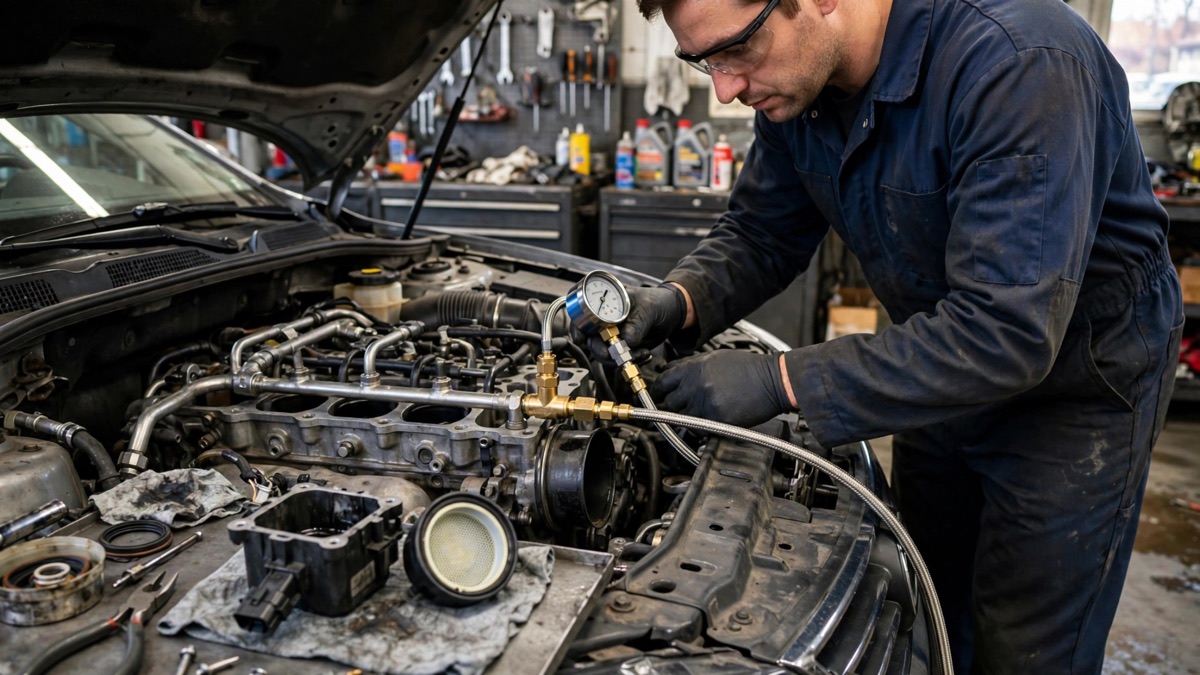
Fuel pumps get blamed for faults they didn’t cause. Before you spend anything, have someone put a gauge on the fuel rail and check both static pressure and pressure under load. Most port-injected engines want somewhere in the 40 to 60 PSI range, while direct-injection vehicles run a low-pressure lift pump feeding a high-pressure mechanical pump on the camshaft. Those are completely different parts with completely different prices.
Symptoms that point to the pump
• Extended cranking, especially when the engine is hot
• Loss of power under load, like climbing a grade or towing
• A whining or high-pitched hum from the tank area
• Stalling that clears after the car sits and cools
Things that mimic a failing pump
A clogged filter, a failing fuel pump relay, a corroded ground, a bad crank sensor and a restricted strainer all produce similar symptoms. Corroded wiring at the tank connector is especially common on vehicles from salted-road states. Ruling those out costs an hour of diagnostic time and saves you fitting a part you never needed.
In-Tank Module, Bare Pump or External Unit
A used fuel pump isn’t sold in just one form, and that trips people up more than anything else.
• Complete in-tank module. Pump, sending unit, strainer, float and housing in one assembly. Easiest to fit, most expensive, and the safest choice for a used part because everything is matched.
• Bare pump insert. Just the motor, dropped into your existing housing. Cheaper, but you reuse the level sender that may itself be failing.
• External inline pump. Common on older vehicles and some trucks. Simple to swap, easy to test, and usually the cheapest option.
• High-pressure direct-injection pump. Camshaft-driven, sits on the engine. These are genuinely used mechanical auto parts rather than electrical ones, and they must match the exact engine variant.
How to Match a Used Fuel Pump to Your Vehicle
Fitment errors are the number one cause of returns. Two vehicles built the same month with the same badge can take different modules depending on tank size, drivetrain and emissions package.
VIN and interchange numbers
Send your full 17-digit VIN. A supplier who knows their catalog will decode the build and pull the interchange number, which tells them exactly which years, models and trims share the identical assembly. Buying replacement auto parts without an interchange check is guesswork with shipping costs attached.
Pressure, flow and connector
Confirm three specifications before money changes hands. Rated pressure must match your system, not simply fall in the same neighbourhood. Flow rate matters on turbocharged and higher-output engines, where an underspecified pump runs the rail lean at full throttle. And the electrical connector plus the fuel line fittings must match, since quick-connect sizes changed mid-generation on plenty of models.
What a Used Fuel Pump Should Cost
Used fuel pump prices swing widely by application. These are indicative ranges, and your quote will depend on grade, donor mileage and freight.
| Part type | Indicative used price | New or reman equivalent |
|---|---|---|
| External inline pump | $30 to $80 | $90 to $200 |
| Bare in-tank insert | $35 to $90 | $80 to $220 |
| Complete in-tank module | $70 to $200 | $250 to $600 |
| High-pressure DI pump | $120 to $350 | $400 to $900-plus |
As with most replacement auto parts, labor is the other half of the picture. Dropping a tank typically runs two to four hours. Some vehicles have an access panel under the rear seat, which cuts that time roughly in half. Ask your shop which applies to your car before you compare quotes, because the cheap part on the awkward vehicle can end up costing more overall.
Testing and Grading of Quality Used Auto Parts
Ask what the supplier actually did to the used fuel pump. A serious recycler powers the pump, measures dead-head pressure and current draw, and listens for bearing noise. Current draw is the useful one: a motor pulling well above spec is on its way out even if pressure looks acceptable today.
Most yards grade stock A, B or C. Grade A generally means low donor mileage and no damage. For anything fuel-related, pay the premium for Grade A. Sellers of quality used auto parts will also tell you whether the tank was drained and whether the strainer was replaced. If nobody can answer either question, keep shopping.
Warranty, Cores and Returns
Before you buy any used fuel pump, get these in writing on the invoice:
1. Warranty term. Ninety days is the floor. Six months to a year is common from established suppliers and worth paying a little extra for.
2. Labor exclusion. Almost every warranty on used car parts covers the part only. On a tank-drop job, that exclusion is the expensive part.
3. Core charge. Often $25 to $75 on modules, refunded when your old unit ships back.
4. Return window and freight. Thirty days is standard. Confirm who pays return shipping if the part arrives wrong.
Fitting a Used Fuel Pump Without Killing It
A used fuel pump gets blamed for installation problems all the time. A few habits prevent most of them.
Replace the strainer sock and the fuel filter at the same time, always. Clean the tank if there’s any sediment, because rust particles will destroy a fresh pump within weeks. Check voltage at the connector while cranking, since a drop below roughly 11 volts under load points to a tired relay or corroded wiring that will cook the motor you just fitted. And keep at least a quarter tank of fuel in normal use, since the fuel itself cools and lubricates the pump.
One more thing worth knowing about used mechanical auto parts on direct-injection engines: the camshaft follower usually needs replacing alongside the pump. It’s a cheap wear item, and skipping it can wreck both the pump and the camshaft lobe.
Frequently Asked Questions
How long will a used fuel pump last?
That depends almost entirely on donor mileage and how clean your tank is. A tested low-mileage unit fitted with a new strainer and filter commonly gives several years of ordinary driving. Fit one into a rusty tank and it can fail within months, which is why tank condition matters as much as the part.
Can I test a used fuel pump before installing it?
To an extent. You can bench-power the motor to confirm it runs and check current draw, but true pressure testing needs the pump loaded in a fuel system. That’s why buying from a supplier who pressure-tests before shipping is worth more than any test you can do at home.
Are used auto parts safe for something fuel-related?
Yes, when they’re sourced properly. Recycled modules come from working vehicles, and reputable yards test and grade them. The genuine risks are contamination and mismatched pressure specs, both of which you control by insisting on VIN-matched, tested stock with a written warranty.
Should I buy new instead for a high-mileage car?
Often not. If the vehicle is worth $3,000 and a new module costs $450 fitted, quality used car parts make more financial sense. On a newer vehicle you plan to keep a decade, a new or reman pump with a long warranty is easier to justify.
Conclusion
A used fuel pump is one of the better value recycled purchases available, provided you buy it the right way. Quality Auto Parts can help you confirm the diagnosis with a pressure gauge first. Work out whether you need a full module, a bare insert or a high-pressure unit. Send your VIN, insist on a tested Grade A part, and check pressure, flow and connector specs against your build. Then fit it with a new strainer and filter, and make sure the tank and wiring are clean. Do all that and a recycled pump will outlast plenty of budget new ones.
If you’re weighing up your options, talking through your VIN and symptoms with an experienced parts specialist at Quality Auto Parts is the fastest way to get an answer matched to your car.